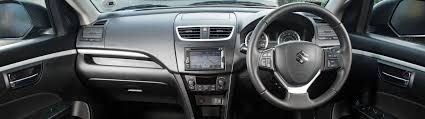
Plastics used in automobiles and its advantages
In the automotive industry, high-performance plastics play a major role. The most fuel-efficient vehicles require light weight plastics. It is estimated that every 10% depletion in vehicle weight results in approx. 7% depletion in fuel usage. Present environmental concerns make the manufacturing of fuel efficient cars a top priority in the automotive industry.
These are not the only benefits of high-performance plastics used in vehicles.
Some other advantages include:
- Longer vehicle life
- Minimal corrosion
- Freedom to design
- Comfort and safety
- Recyclability
- substantial design freedom, allowing advanced creativity and innovation
- flexibility in integrating components
Here are the high-performance plastics used in automotive hardware.
While all of these may easily be used in a single vehicle, just three types of plastic make up approximately 66% of the total high-performance plastics used in a car: polypropylene (32%), polyurethane (17%) and PVC (16%).
1) Polypropylene (PP)
Polypropylene is a thermoplastic polymer used in a wide variety of applications. A saturated addition polymer made from the monomer propylene, it is rugged and unusually resistant to many chemical solvents, bases and acids.
Application: automotive bumpers, chemical tanks, cable insulation, gas cans, carpet fibres.
2) Polyurethane (PUR)
Solid Polyurethane is an elastomeric material of exceptional physical properties including toughness, flexibility, and resistance to abrasion and temperature. Polyurethane has a broad hardness range, from eraser soft to bowling ball hard. Other polyurethane characteristics include extremely high flex-life, high load-bearing capacity and outstanding resistance to weather, ozone, radiation, oil, gasoline and most solvents.
Application: flexible foam seating, foam insulation panels, elastomeric wheels and tires, automotive suspension bushings, cushions, electrical potting compounds, hard plastic parts.
3) Poly-Vinyl-Chloride (PVC)
PVC has good flexibility, is flame retardant, and has good thermal stability, a high gloss, and low (to no) lead content. Polyvinyl chloride moulding compounds can be extruded, injection moulded, compression moulded, Calendered, and blow moulded to form a huge variety of products, either rigid or flexible depending on the amount and type of plasticizers used.
Application: automobile instruments panels, sheathing of electrical cables, pipes, doors.
4) ABS
Acrylonitrile Butadiene Styrene is a copolymer made by polymerizing styrene and acrylonitrile in the presence of polybutadiene. The styrene gives the plastic a shiny, impervious surface. The butadiene, a rubbery substance, provides resilience even at low temperatures. A variety of modifications can be made to improve impact resistance, toughness, and heat resistance.
Application: automotive body parts, dashboards, wheel covers.
5) Polyamide (PA, Nylon 6/6, Nylon 6)
Nylon 6/6 is a general-purpose nylon that can be both moulded and extruded. Nylon 6/6 has good mechanical properties and wear resistance. It is frequently used when a low cost, high mechanical strength, rigid and stable material is required. Nylon is highly water absorbent and will swell in watery environments.
Application: gears, bushes, cams, bearings, weather proof coatings.
6) Polystyrene (PS)
Naturally clear, polystyrene exhibits excellent chemical and electrical resistance. Special high gloss and high impact grades are widely available. This easy to manufacture plastic has poor resistance to UV light.
Application: equipment housings, buttons, car fittings, display bases.
7) Polyethylene (PE)
Polyethylene has high impact resistant, low density, and exhibits good toughness. It can be used in a wide variety of thermoplastics processing methods and is particularly useful where moisture resistance and low cost are required.
Application: car bodies (glass reinforced), electrical insulation.
8) POM (polyoxymethylene)
POM has excellent stiffness, rigidity, and yield strength. These properties are stable in low temperatures. POM also is highly chemical and fuel resistant.
Application: interior and exterior trims, fuel systems, small gears.
9) Polycarbonate (PC)
Amorphous polycarbonate polymer offers a unique combination of stiffness, hardness and toughness. It exhibits excellent weathering, creep, impact, optical, electrical and thermal properties. Because of its extraordinary impact strength, it is the material for car bumpers, helmets of all kinds and bullet-proof glass substitutes.
Application: bumpers, headlamp lenses.
10) Acrylic (PMMA)
A transparent thermoplastic, PMMA is often used as a lightweight or shatter-resistant alternative to glass. It’s cheaper than PC but is also more prone to scratching and shattering.
Application: windows, displays, screens.
11) PBT (polybutylene terephthalate)
The thermoplastic PBT is used as an insulator in the electrical and electronics industries. It is highly chemical and heat resistant. Flame-retardant grades are available.
Application: door handles, bumpers, carburetor components.
12) Polyethylene Teraphthalate (PET)
PET is mostly used to create synthetic fibers and plastic bottles. You may recognize it on clothing labels under the name “polyester.”
Application: wiper arm and gear housings, headlamp retainer, engine cover, connector housings.
13) ASA (acrylonitrile styrene acrylate)
Similar to ABS, ASA has great toughness and rigidity, good chemical resistance and thermal stability, outstanding resistance to weather, aging and yellowing, and high gloss. Be careful not to burn this material. It will cause a toxic smoke.
Application: housings, profiles, interior parts and outdoor applications.
The advantages of plastics in automobiles
Plastics are known to reduce costs and boost efficiency in a number of industries, with their countless applications and advantages. One of the industries that continues to be aided by the use of plastics—and by the consistent innovations—is the auto industry.
According to the latest industry reports, recent auto sales in the U.S. have given way to higher profitability than pre-recession levels. The global auto industry is doing very well. This, of course, is the result of many factors, one being the distinct advantages seen by using plastics. The plastics that are used to make cars have contributed to more energy efficiency, mainly due to weight reduction, along with corrosion resistance, design flexibility, durability, and higher performance at lower costs. This all leads to better cars at lower prices, and higher sales.
Plastics have actually been used in cars since the 1950s, but it’s the latest innovations that are really changing the industry for the better. Engineered polymers and plastics are continuing to replace aluminium and other metals in automobiles, with the average car interior now being made up of over 50% plastics. Over 1,000 different car parts are now made of plastics, and these plastics can be moulded together to replace the need for multiple parts, keeping manufacturing efficient and weight down.
In the car’s exterior, plastics are used anywhere from the body panels to the bumpers, reducing the overall weight without affecting the safety or performance of the vehicle. Additionally, new technology has created ultra-lightweight wheel trims and other components that reduce weight and not only keep costs down, but by lowering the centre of gravity, enhance safety and improve performance.
As the improvements continue and lead to even better sales, many believe this is great for our overall economy. In a recent in article in Plastics News, plastics economist Bill woods states “I think the fundamentals point to continued growth…[and] continued increases in employment.” This could make the U.S. “a manufacturing powerhouse and an export machine.”
Better, safer vehicles, better energy efficiency, higher employment, and increased exports…it seems the benefits of plastics in automotive industry are truly significant.
A classic example of the utility of plastics in automobiles can be observed in the Auto expo 2018 at the Pragati Maidan in New Delhi and India expo mart in Greater Noida this February where the exhibitors will showcase various plastic components along with the newest technologies in the exhibition.